We’ve rolled into the month of March, which marks the start of meteorological spring.
So, it’s time to start planning that spring/summer garden. At my place, I’m planning for three raised beds and a vertical planter.
I’ll be relying on seeds from Arizona-based Terroir Seeds. They offer the introductory sound effect for this episode, so let’s get shaking those seed packets!
Transcript
INTRO: From Tucson, Arizona, welcome to the Water Harvesting 101 podcast. My name is Martha Retallick. I’ve been a water harvester for 20 years, and I’m looking forward to helping you get started.
Before we do that, here’s a little Tucson secret: For most of the year, we’re in drought. That’s just how life is in the desert.
But when the rains return, oh, do they ever. They often bring an unwelcome friend called flooding.
How do we reduce the risks of flooding? We do it with water harvesting.
Water harvesting encompasses three activities:
- Redirecting rainwater away from where it isn’t wanted to where it is.
- Storing rainwater for later use, for example, during a drought.
- Recycling “used” water. At my place, I don’t let laundry water go down the drain. Instead, it’s for the fruit trees.
We’ll be covering all of these topics and more, so let’s get started.
EPISODE: It’s that time of the year again.
It’s meteorological spring here in Tucson, Arizona. That means it’s time to shake the seed packets and start thinking about that spring/summer garden.
A bit of background on Martha: I am named for my great-grandmother Martha, who was a victory gardener in upstate New York. From her garden, she fed eight people.
According to my mother, they depended on great-grandmother’s produce. So, no pressure!
Here in Tucson, I have a backyard garden with a total of three raised beds. Two of them are for vegetables. One of them is for my Fignomenal dwarf fig tree.
I also have a vertical planter that lives on my porch. Comes from a company called GreenStalk.
In the next few months, the GreenStalk planter is going to come into heavy use. That’s because we are heading into our warm and dry season, meaning that, out there in the garden, things can get pretty toasty.
I like to keep my garden in the shade as much as possible, and I do have shade cloths.
On the porch, I have an even better shading situation – the porch has a roof.
That’s a brief look at the shade situation here. It is every bit as important as the sun situation.
Since this is Tucson, and it’s the Water Harvesting 101 Podcast, let’s talk about about the water supply for Martha’s backyard victory garden.
The first and easiest source is good old Tucson Water, our public water utility.
There are times when I put a watering can beneath the faucet, turn on the water, and use some of that good old Tucson Water to water my garden.
I also like to use my 1,500-gallon rainwater harvesting cistern – right now, it has about 1,300 gallons in it. The cistern water is dedicated to my two raised-bed vegetable gardens, and also to the Fignomenal fig tree.
The Fignomenal is going to be sharing space with some Terroir Seeds, specifically, melon seeds. The Figomenal’s planter has a shade cloth support structure that would be a really cool place for vining melon plants.
I may get a shade cloth for the Fignomenal, I may not. Let’s just see how the summer goes. Sometimes figs like to be shaded, sometimes they do okay in direct sunlight.
In the vegetable gardens, I’m looking at planting more tomatoes.
In the GreenStalk vertical planter, I already have Punta Banda tomatoes that are going to town! Those tomatoes have taken over the planter, and I’m finding that, as the weather is warming up and drying out, they need more water.
So, I’m going to have to pay more attention to that. This past weekend, I went out to the porch and found that tomato plants had wilted. So, more water for the Punta Banda – that thing is a real guzzler.
On the other hand, I like the tomatoes and I enjoy them in salads. I also would like to be able to harvest enough of them to make salsa. Right now, I’m growing two other salsa ingredients, cilantro and garlic.
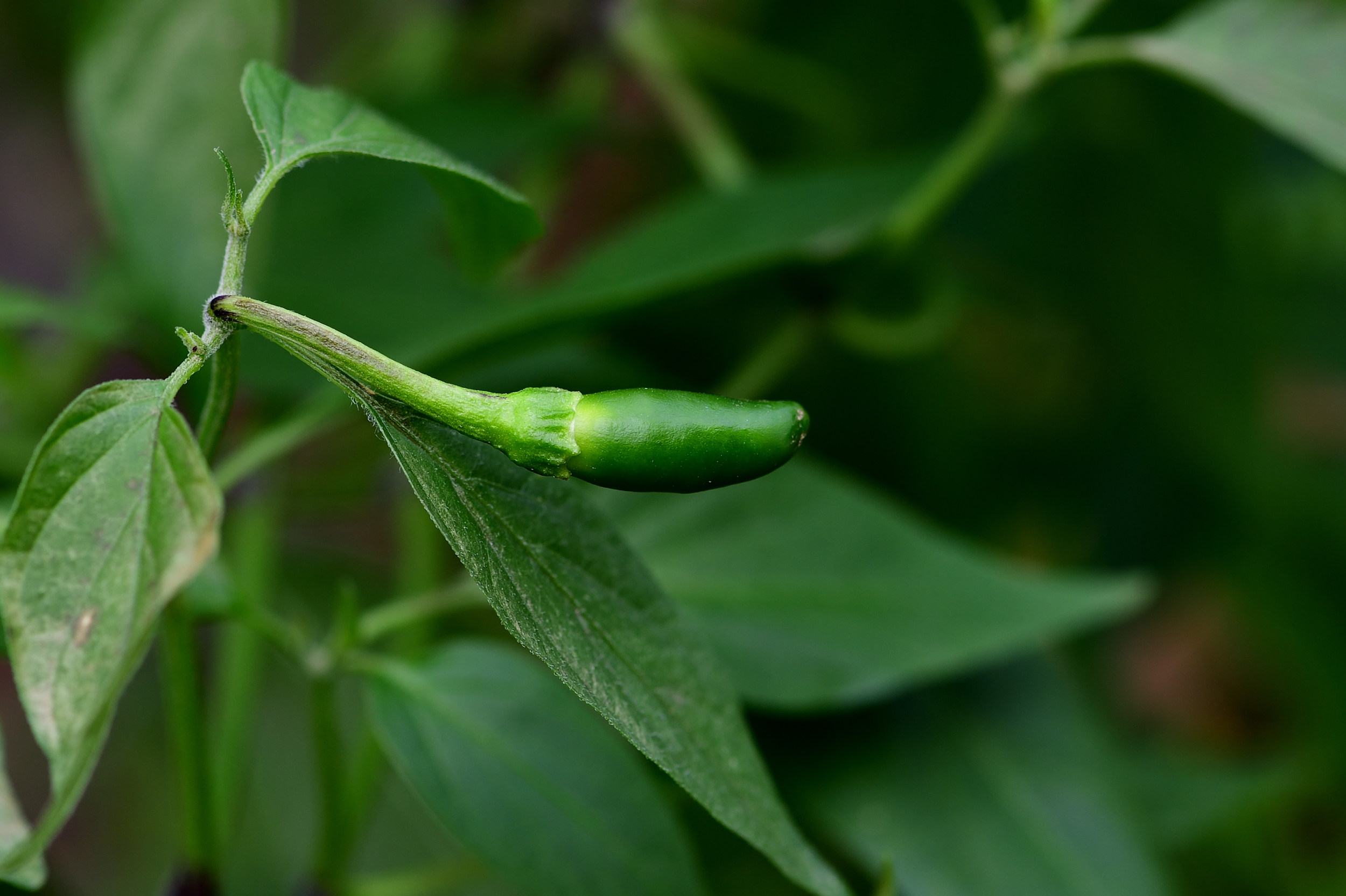
This summer, I would like to plant another salsa ingredient, hot peppers (shown above).
I haven’t been doing well with hot peppers the last few years, but maybe this summer will be the turnaround summer.
And that’s a brief look at the garden report.
The seeds that I was shaking at the beginning of this podcast?
They came from Terroir Seeds in Chino Valley, right here in Arizona!
Shop local, people! I do!
If you’d like to learn more about water harvesting, sign up for my monthly email newsletter. If you do, I’ll give you a free copy of my Water Harvesting Cheat Sheet.
And if you’d like to support the Water Harvesting 101 podcast, the PayPal email address is info@westernskycommunications.com.
OUTRO: Thanks for listening to this episode of the Water Harvesting 101 podcast. If you’d like to learn more about water harvesting, meet my book family.
First, it’s City Nature, the book that’s guaranteed to look great on any coffee table. City Nature reveals my secrets to water harvesting through my 20-year journey of transforming my Tucson home into an urban oasis. Get the details at CityNatureBook.com.
And if you’re on the go, take water harvesting with you. Water Harvesting 101 is an audiobook and eBook combination that will teach you the nuts and bolts of water harvesting and show you how to put them to work. Available exclusively at WaterHarvesting101Book.com.