With the Southwest suffering through a long-term drought – and Colorado River cutbacks looming – it’s time to take a hard look at that thief in the yard.
I’m talking about those water guzzling lawns, and why it’s time to remove them.
Cities like Las Vegas, Phoenix, and Tucson are offering grass removal rebate programs. I’ll explain how these programs work.
Transcript
INTRO: From Tucson, Arizona, welcome to the Water Harvesting 101 podcast. My name is Martha Retallick. I’ve been a water harvester for 20 years, and I’m looking forward to helping you get started.
Before we do that, here’s a little Tucson secret: For most of the year, we’re in drought. That’s just how life is in the desert.
But when the rains return, oh, do they ever. They often bring an unwelcome friend called flooding.
How do we reduce the risks of flooding? We do it with water harvesting.
Water harvesting encompasses three activities:
- Redirecting rainwater away from where it isn’t wanted to where it is.
- Storing rainwater for later use, for example, during a drought.
- Recycling “used” water. At my place, I don’t let laundry water go down the drain. Instead, it’s for the fruit trees.
We’ll be covering all of these topics and more, so let’s get started.
EPISODE: There’s a thief on the loose, a water-guzzling thief.
And it’s not where you think it is. It’s not inside your house. When you do this…
[sound of flushing toilet]
No. This thief is outside. It’s in the yard.
Green grassy lawn, I am looking right at you.
You are a water-guzzling thief. You gotta go.
A lot of municipalities around the American Southwest are offering rebate programs to incentivize the removal of lawns.
As a matter of fact, the state of Nevada is going a step further.
There is a law, the Useless Grass Law, that says that commercial industrial properties, multifamily properties, those are apartment complexes, and government agencies, have to get rid of that grass by the end of this year. On January 1st, 2027, that useless grass is illegal.
Now, in Nevada, they are exempting residential properties, but I have to say that Southern Nevada has some very impressive – and aggressive – rebate programs.
Down here in Arizona, well, there’s the city of Phoenix. I lived in Phoenix during the winter of 1981-82 when I was bicycling around the country.
I lived with a local family for a few months, and they were real rebels. They didn’t have a lawn!
They were the only household on their block that did not have a grassy lawn!
Well, that was then, this is now. Water has gotten a lot more expensive up Phoenix way. It certainly has gotten more expensive in Las Vegas, and yes, here in Tucson too.
So, the City of Phoenix has a very aggressive promotion program to get people to rip out the lawn.
Down here in Tucson, I moved here in 1987. And, and shortly after I got my first full-time job, I was remarking to my boss about the lawns. Where are they?
And the boss said to me, “Martha, this is a desert.”
She was right about that. She’s still right about that.
And desert denial seems to not be so big of a thing in Phoenix now, and certainly not in Las Vegas. The no-lawn look is becoming quite popular in both places.
And I have to say that we in Tucson have been ahead of the game all along. Lawns have never been very fashionable here.
Now, we do have a rebate program. I looked it up, and, well, sorry. City of Tucson’s out of money.
But it’s like a lot of these rebate programs for various water-saving efforts. They have a window of opportunity for you to apply. And, when it closes, oh, well. You’re going to have to wait ‘til next year.
As a general rule, these programs work this way:
- You go to your city website or your water utility website. You fill out the online application form.
- Somebody comes out and takes a look at your property. And here’s the thing: They are not going to incentivize you to remove dead grass. That grass has to be living and guzzling up the water – and guzzling up your money.
- They will measure your property so they can see how much square footage is to be removed.
- You submit a plan for the removal and what you plan to do with your landscape afterwards. Pro Tip: They really encourage the planting of low water use shrubs and also trees for shade to reduce the urban heat island effect.
- Okay, so you’re doing the implementation. Then your municipality or your water utility comes back. They check out the work that you’ve done. If it meets their approval, you get the rebate. And this can add up to a lot of money, as in, thousands of dollars.
So, if you have one of those water-guzzling old school lawns from a previous time when lawns were considered the prestigious thing to have in this part of the world, it might be time to keep off the grass and say goodbye to your lawn.
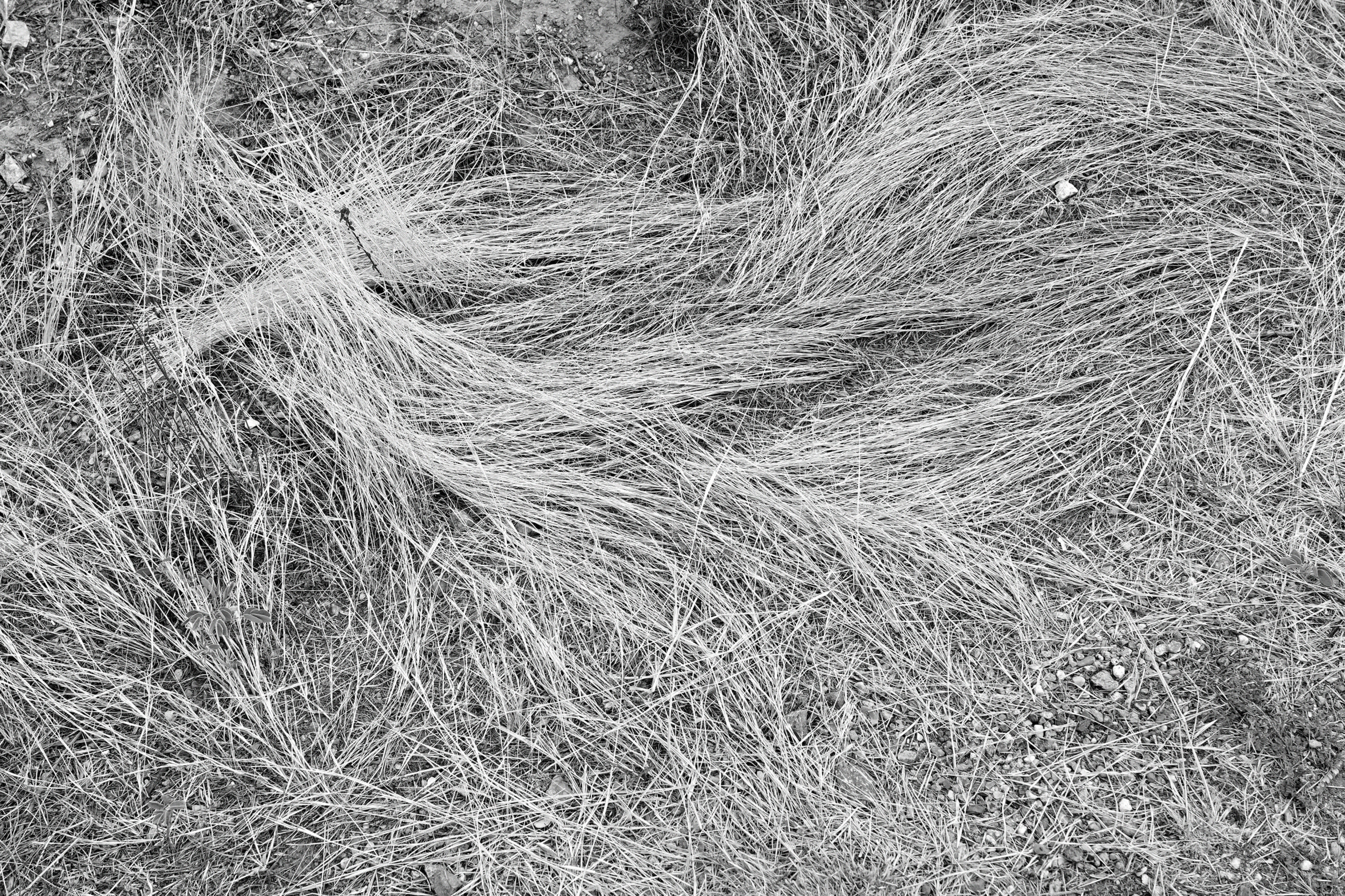
NOTE: Grass does grow in the desert, and the above photo shows an example from Sabino Canyon near Tucson. If you want to use desert grasses in your landscape, be aware that they can live solely off rainwater, but they will go dormant during the dry season.
If you’d like to learn more about water harvesting, sign up for my monthly email newsletter. If you do, I’ll give you a free copy of my Water Harvesting Cheat Sheet.
And if you’d like to support the Water Harvesting 101 podcast, the PayPal email address is info@westernskycommunications.com.
OUTRO: Thanks for listening to this episode of the Water Harvesting 101 podcast. If you’d like to learn more about water harvesting, meet my book family.
First, it’s City Nature, the book that’s guaranteed to look great on any coffee table. City Nature reveals my secrets to water harvesting through my 20-year journey of transforming my Tucson home into an urban oasis. Get the details at CityNatureBook.com.
And if you’re on the go, take water harvesting with you. Water Harvesting 101 is an audiobook and eBook combination that will teach you the nuts and bolts of water harvesting and show you how to put them to work. Available exclusively at WaterHarvesting101Book.com.